
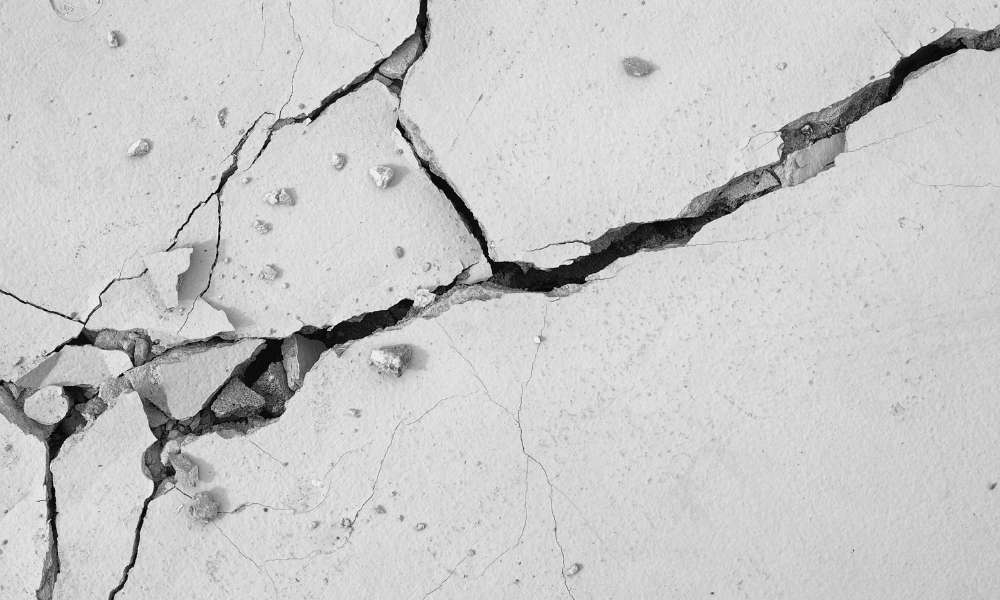
Cracks in a concrete driveway or patio are more than just an eyesore; they are often the first sign of underlying structural stress. Identifying the right moment to intervene can mean the difference between a simple patch and a total surface replacement.
Leaving a fracture unaddressed allows environmental factors to accelerate the degradation of the entire slab. Proactive homeowners understand that timing is the most important factor in preserving the longevity and safety of their outdoor living spaces.
Addressing Hairline Fractures Early
Hairline cracks are thin, superficial gaps that often appear as the concrete cures or as the ground undergoes minor settling. While they may seem insignificant, these tiny openings act as gateways for moisture and chemicals to penetrate the slab.
- Seal hairline cracks as soon as they are visible to prevent them from widening into major splits.
- Clean the area with a stiff brush to remove any dirt or organic growth before applying a liquid crack filler.
- Monitor the area over several months to see if the crack is “active” and continuing to grow.
Catching these issues in their infancy prevents the “freeze-thaw” cycle from expanding the gap during winter months. A small investment in a high-quality masonry sealant today can save thousands of dollars in future repairs.
Managing Vertical Displacement and Heaving
When one side of a crack is physically higher than the other, you are dealing with a structural issue known as vertical displacement. This often occurs due to tree roots, shifting subsoil, or poor drainage that has washed away the foundation.
- Address uneven cracks immediately, as they create significant tripping hazards for guests and family.
- Consider professional slab leveling or mudjacking if the displacement is greater than a quarter of an inch.
- Trim nearby tree roots that may be exerting upward pressure on the bottom of the concrete.
Ignoring a heaving slab can lead to broken ankles and damaged vehicle tires. Once the plane of the concrete is no longer level, the structural integrity of the entire section is compromised and requires urgent attention.
Watching for Web-Like Crazing Patterns
Crazing looks like a map of fine, interconnected cracks on the surface of the concrete, often resembling a spider web. This usually happens when the top layer dries too quickly during the initial pour, leaving a brittle finish.
- Apply a decorative overlay or a high-solids sealer to reinforce the surface and hide the aesthetic flaws.
- Avoid using high-pressure washers directly on crazed areas, as this can cause the surface to flake or “spall.”
- Use a tinted sealer to blend the patterns and provide a more uniform appearance to the patio or driveway.
While crazing is often cosmetic, it can eventually lead to surface peeling if the slab is not protected from the elements. Treating the surface early ensures that the decorative integrity of your patio remains intact.
Responding to Wide or Deep Fissures
Any crack that is wide enough to fit a coin or deep enough to see the gravel base below is a red flag for a major failure. These fissures allow large amounts of water to reach the rebar or mesh inside, leading to rust and internal expansion.
- Use a backer rod for deep cracks to provide a solid base for the repair mortar or caulk.
- Opt for a flexible polyurethane sealant that can expand and contract with the concrete as temperatures change.
- Check the surrounding drainage to ensure that water is not pooling directly into the open fissure.
Large cracks act like funnels that direct water into the soil, causing the base to turn into mud and lose its load-bearing capacity. Closing these gaps is essential for keeping the driveway stable enough to support heavy vehicles.
Timing Repairs with the Local Climate
The best time to repair concrete is when temperatures are moderate and the weather is dry. Extreme heat can cause repair materials to dry too fast and shrink, while rain will wash away the uncured sealant before it bonds.
- Plan your repairs for a window of at least forty-eight hours of dry weather with temperatures between 50°F and 80°F.
- Avoid making repairs in the middle of a humid summer afternoon, as the concrete will be too hot for proper adhesion.
- Ensure the concrete has been dry for several days before the repair to prevent trapped moisture from causing bubbles.
Proper environmental conditions ensure that the patch bonds permanently with the existing slab. Taking the time to wait for a clear forecast results in a repair that looks professional and stands the test of time.
Preserving Your Property’s Long-Term Value
A well-maintained driveway or patio is a testament to the overall health of your home and its curb appeal. By staying vigilant and repairing cracks the moment they appear, you uphold the structural standards of your property.
Proactive maintenance is the most cost-effective way to manage residential concrete and avoid the headache of a full demolition. Taking action now ensures that your outdoor surfaces remain beautiful, functional, and safe for everyone who visits.