
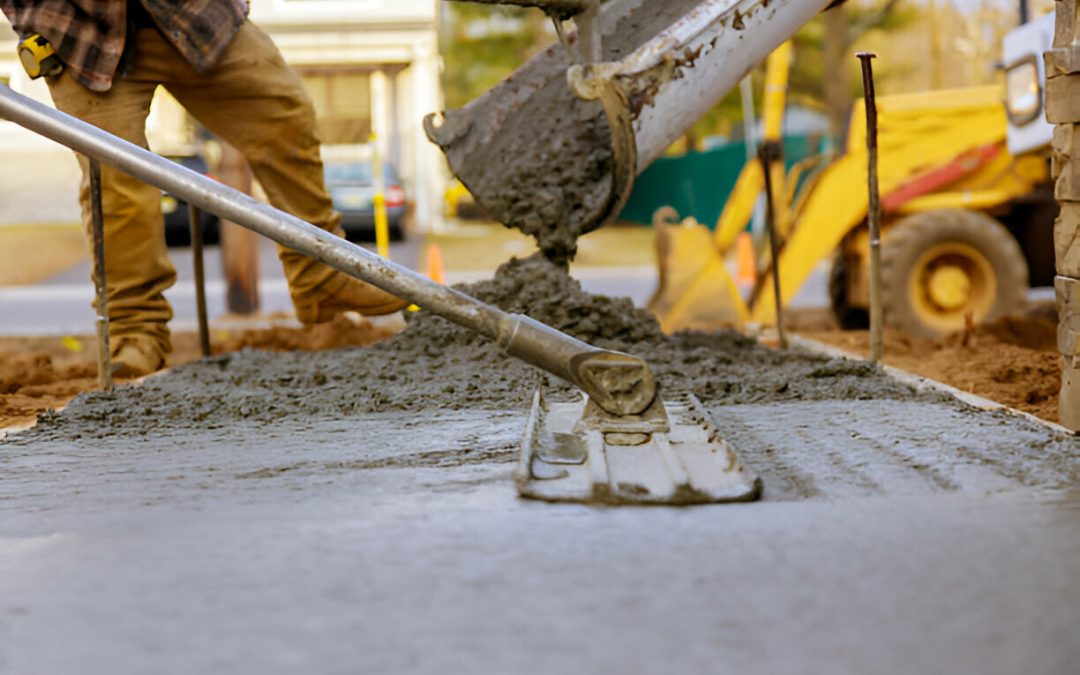
Bellevue residents know that timing an outdoor construction project requires a keen eye on the local forecast and seasonal shifts. Because concrete curing is a chemical process sensitive to moisture and temperature, selecting the right month is the most important factor in the project’s long-term success.
A well-timed paving project ensures that your new driveway or patio achieves its maximum structural strength without the interference of frost or heavy rain. Understanding the specific windows of opportunity in the Puget Sound region allows homeowners to secure a beautiful, lasting result.
The Prime Window of Late Spring
Late May and June are often considered the gold standard for starting a paving project in the Bellevue area. During this period, the ground has finally thawed and dried out from the winter rains, providing a stable subgrade for the new concrete slab.
- Monitor the local forecast for a “dry streak” of at least three to four days to allow for proper pouring and initial setting.
- Benefit from moderate temperatures that prevent the concrete from drying too quickly, which reduces the risk of surface shrinkage cracks.
- Take advantage of the increasing daylight hours to ensure crews have ample time for detailed stamping or finishing work.
Starting in late spring allows the concrete to begin its curing process under mild conditions. This temperate environment is perfect for achieving a smooth, professional finish before the true heat of summer arrives.
Managing the High Heat of Summer
July and August offer the most predictable dry weather, making them popular choices for large-scale driveway replacements. However, the higher temperatures require specific adjustments to prevent the concrete from “flashing” or setting too rapidly.
- Plan for early morning pours to beat the midday sun and keep the concrete mix at an optimal workable temperature.
- Use curing blankets or a fine mist of water if the thermometer climbs above eighty-five degrees to slow down evaporation.
- Ensure the subgrade is pre-moistened so it doesn’t suck the hydration out of the bottom of the fresh concrete mix.
While summer provides the lowest risk of rain delays, it demands a higher level of technical precision during the finishing stage. Professional attention to moisture levels during a heatwave ensures the decorative patterns remain crisp and durable.
Early Autumn Opportunities
September is a fantastic “secret” season for paving in Bellevue, offering a balance of dry days and cooling temperatures. Many homeowners choose this window to refresh their outdoor spaces just before the entertaining season shifts indoors for the winter.
- Aim to complete all pouring before the consistent autumn “Big Dark” rains return in late October.
- Enjoy the benefit of cooler nights, which can actually help the concrete cure more evenly and achieve higher ultimate strength.
- Clear away falling leaves from the job site immediately to prevent organic tannins from staining the fresh, porous surface.
Autumn projects provide a beautiful new surface just in time for the holiday season. Getting the work done in September ensures the sealer has plenty of time to bond before the first frost hits the Eastside.
Avoiding the Winter Freeze
Winter is generally the most challenging time for paving in the Pacific Northwest due to high humidity and the risk of freezing temperatures. Concrete that freezes before it reaches a specific strength can suffer permanent internal damage and surface scaling.
- Postpone major decorative projects if the overnight low is expected to drop below forty degrees for several consecutive days.
- Utilize chemical accelerators and insulating blankets if an emergency repair must be completed during a cold snap.
- Wait for a break in the humidity, as excessive moisture in the air can significantly delay the “bleed water” evaporation process.
While minor repairs can sometimes be managed in winter with specialized additives, new installations are best left for warmer months. Protecting the chemical integrity of the cement paste is worth the wait for a better weather window.
Coordinating with Local Soil Conditions
The heavy clay and silty soils common in many Bellevue neighborhoods retain moisture long after the rain has stopped. It is essential to ensure the ground is not “spongy” before any heavy equipment or fresh concrete is placed on the site.
- Check the moisture content of the subgrade by performing a simple “hand-clump” test to see if the soil holds too much water.
- Consider installing extra crushed rock as a base layer if the project must proceed during a shoulder season with damp ground.
- Ensure all perimeter drainage and French drains are functional to prevent water from undermining the new slab during its first year.
Properly prepared ground is the silent partner of a successful paving project. Matching your timeline to the soil’s readiness ensures that the finished driveway won’t settle or crack as the seasons change.
Securing Your Property’s Future Beauty
Planning your paving project around Bellevue’s unique climate is a strategic move that protects your financial investment and your home’s curb appeal. By choosing a window that balances temperature and moisture, you guarantee a surface that remains functional and elegant for decades.
A successful installation is the result of patience and environmental awareness. Taking the time to wait for the ideal seasonal conditions ensures that your new concrete feature becomes a highlight of your home’s architectural legacy.