
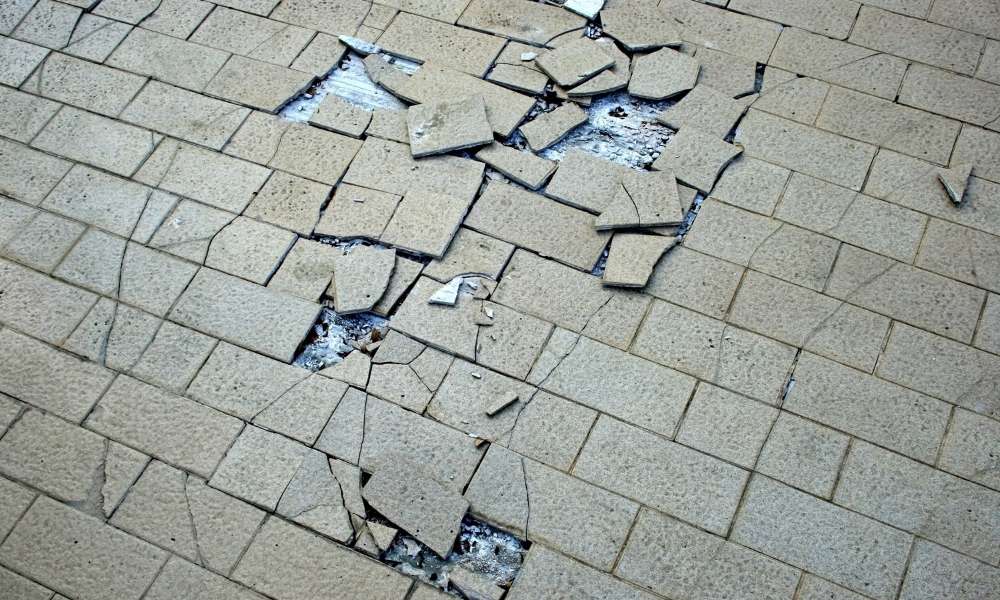
Stamped concrete offers a high-end look that mimics natural stone, brick, or slate at a more accessible price point. Without a consistent care routine, however, the vibrant colors and intricate textures can succumb to the harsh realities of environmental exposure.
Investing in decorative pavement is a significant commitment to your property’s aesthetic and market value. Understanding the mechanics of wear and tear ensures that your patio, driveway, or walkway remains a stunning focal point rather than a faded liability.
Periodic Sealing for Surface Defense
Sealing is the most critical step in defending your concrete against moisture infiltration and UV degradation. A high-quality acrylic sealer acts as a sacrificial layer that absorbs the brunt of foot traffic and weather.
- Apply a fresh coat of sealer every two to three years, depending on local weather patterns.
- Ensure the surface is completely dry for at least twenty-four hours before application to prevent clouding.
- Choose a slip-resistant additive if the area is frequently wet, such as a pool deck or sloped path.
Consistent sealing prevents the “dusting” of the surface and keeps the secondary antique colors from washing away. This simple barrier is what maintains that coveted wet-look or satin finish over the long haul.
Routine Cleaning for Color Preservation
Dirt, leaves, and debris can become abrasive if left to sit on the textured surface for too long. Regular cleaning prevents organic matter from staining the porous areas of the concrete design.
- Sweep away loose debris weekly to prevent scratches from grit and small stones.
- Use a garden hose with a high-pressure nozzle to rinse away topical dust and pollen.
- Mop interior stamped floors or high-traffic entries with a pH-neutral cleaner to avoid stripping the wax or sealer.
Maintaining a clean surface ensures that the intricate patterns remain visible and sharp. Taking a few minutes each week to clear the area prevents the need for aggressive chemical restoration later.
Mindful De-Icing During Winter Months
The freeze-thaw cycle in colder American climates is one of the primary enemies of concrete longevity. Using the wrong melting agents can cause scaling or spalling, which ruins the stamped texture.
- Avoid using rock salt or calcium chloride, as these chemicals can penetrate and damage the concrete matrix.
- Opt for sand to provide traction without causing chemical reactions or internal pressure.
- Remove snow promptly with plastic shovels rather than metal ones to avoid gouging the decorative finish.
Protecting your investment during the winter ensures you won’t face expensive repairs once the spring thaw arrives. Being selective about what you apply to your driveway during a freeze makes a world of difference.
Immediate Stain Management
Because concrete is naturally porous, oil spills or chemical leaks can penetrate deep into the slab if not handled quickly. Prompt action limits the depth of the stain and protects the integrity of the color hardener.
- Blot liquid spills immediately with an absorbent cloth rather than rubbing them into the texture.
- Use a mild degreaser and a soft-bristled brush for stubborn oil spots from vehicles.
- Rinse the area thoroughly with clean water to ensure no cleaning residue remains trapped in the grooves.
Addressing accidents as they happen keeps the surface looking uniform and professional. A proactive approach to spills prevents permanent discoloration that can be difficult to hide.
Heavy Load Limitations
While concrete is incredibly durable, it is not indestructible under extreme concentrated weight. Distributing weight properly prevents structural cracks that can mar the beauty of your stamped pattern.
- Keep heavy machinery or oversized delivery trucks off the edges of the concrete slab.
- Use plywood sheets to distribute weight if you must move heavy equipment across the surface.
- Ensure downspouts are directed away from the concrete to prevent soil erosion underneath the slab.
By managing the physical stress placed on the pavement, you preserve the underlying structure. Long-term stability is just as important as surface aesthetics for a lasting installation.
Securing Your Long-Term Investment
A dedicated maintenance schedule transforms a temporary home improvement into a lifelong architectural asset. By following these straightforward steps, you ensure the texture and tone of your stamped concrete remain as vivid as the day it was poured.
The true value of decorative concrete is realized through the years of enjoyment and durability it provides when treated with care. Prioritizing these simple tasks today prevents the frustration of premature aging and costly resurfacing in the future.